Choosing the Right Commercial Solar Installer
Choosing a commercial solar installation company starts with five checks: experience, licenses, system design, pricing, and long-term support. The right installer should understand your energy use, explain the numbers clearly, and manage the project from site review through final inspection.
For Bay Area businesses, local experience also matters. Permits, utility rules, roof conditions, and project timelines can vary by city. Therefore, choose a commercial solar installer that has completed projects similar to yours.
What Are the Benefits of Commercial Solar?
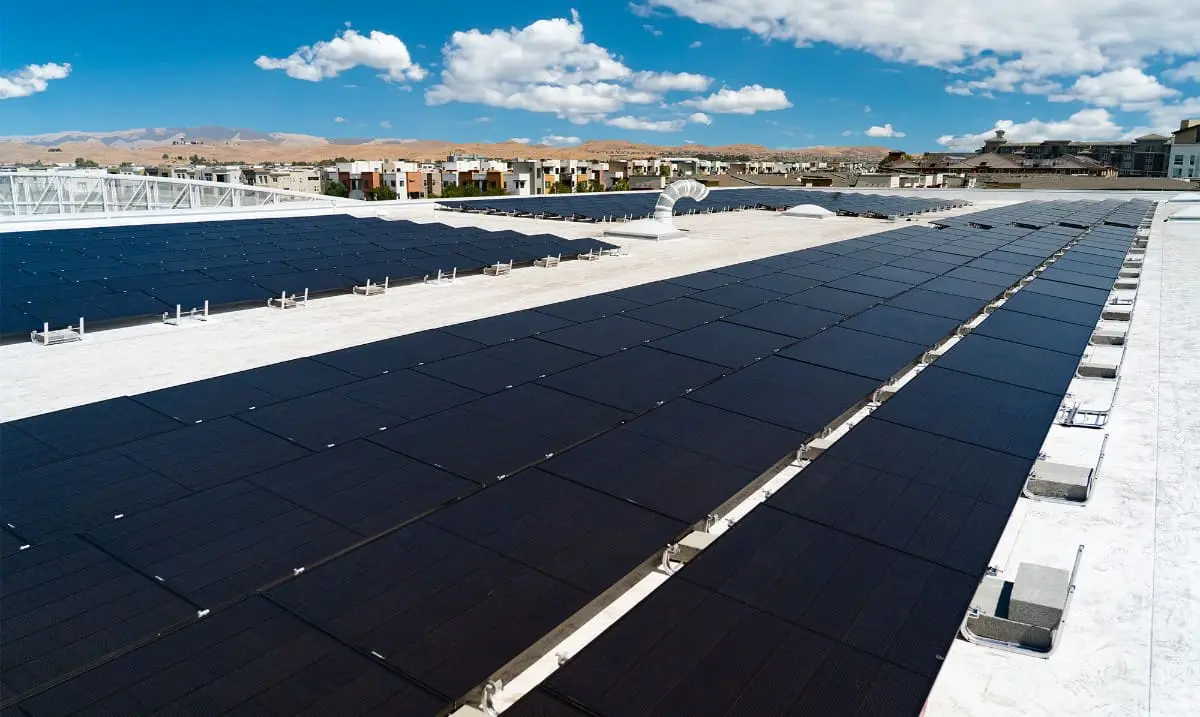
Commercial solar panels turn sunlight into electricity for your business. As a result, your company can buy less power from the utility. A well-designed system may also make energy costs easier to plan.
In addition, commercial solar can support several business goals:
- Lower electricity costs: Solar can reduce the amount of power you buy from the grid.
- Protection from rate increases: On-site energy can reduce your exposure to future utility price changes.
- Better use of roof or parking space: Solar can turn unused areas into productive assets.
- Greater energy control: Solar paired with battery storage may improve backup options and load management.
- Stronger sustainability reporting: Renewable energy can support company goals and customer expectations.
- Potential property value: A useful, well-maintained energy system may make a commercial property more attractive.
However, results depend on the site, utility rates, system size, financing, and energy use. Therefore, ask each installer to show the assumptions behind its savings estimate.
First, Evaluate Your Business Energy Needs
Before you compare proposals, review how your business uses electricity. This step helps the installer size the system correctly. It also reduces the risk of paying for a system that is too large or too small.
Gather the Right Information
Start with the following records:
- At least 12 months of utility bills
- Monthly electricity use and demand charges
- Current utility rate plan
- Operating hours and peak-use times
- Planned equipment, staff, or building changes
- Roof age, roof repairs, or future replacement plans
- Interest in battery storage or EV charging
Next, ask the installer to explain how each item affects the proposed system. For example, a growing business may need a different design than a company with stable energy use.
Ask for a Site-Specific Design
A commercial solar proposal should not rely on a basic price-per-panel estimate. Instead, it should account for:
- Roof condition and usable space
- Roof direction, tilt, and shade
- Electrical service and panel capacity
- Fire access and local code rules
- Utility interconnection needs
- Expected annual energy production
As a result, you will have a clearer picture of project cost, savings, and limits before you sign a contract.
How to Choose a Commercial Solar Installation Company
The best commercial solar company is not always the one with the lowest price. Instead, look for a qualified team that gives you clear answers and a complete scope of work.
Use this checklist to compare commercial solar installers:
- Commercial experience: Has the company completed projects with a similar size, roof type, and electrical setup?
- Licenses and insurance: Can the installer provide current state and local credentials?
- Professional certifications: Does the team have relevant solar training or NABCEP-certified professionals?
- In-house capabilities: Who handles design, engineering, permits, installation, and service?
- Clear production estimates: Are shading, equipment loss, weather, and system limits included?
- Detailed pricing: Does the quote list equipment, labor, permits, utility work, and other costs?
- Project schedule: Does the company explain the steps, dependencies, and likely causes of delay?
- Warranties: Are equipment and workmanship warranties easy to understand?
- Service after installation: Who monitors the system and handles repairs?
- Customer reviews: Do recent clients describe reliable work and clear communication?
1. Review Commercial Solar Experience
First, check how long the installer has worked on commercial projects. Residential experience alone may not be enough. Commercial systems often involve larger electrical loads, more complex roofs, utility coordination, and stricter project schedules.
Then, review the company’s commercial solar case studies. Look for projects that match your property type and energy needs. Also, ask who completed the work and whether those team members are still with the company.
2. Confirm Licenses, Certifications, and Insurance
Next, verify that the contractor holds the licenses required for the work. Also, request proof of general liability and workers’ compensation insurance.
Relevant solar certifications can show added training. However, certifications do not replace a valid contractor license, a strong safety record, or proven commercial experience.
3. Compare the Full Proposal, Not Just the Price
A low bid can leave out important work. Therefore, compare each proposal line by line.
A complete commercial solar quote should explain:
- Solar panel and inverter models
- System size in kilowatts
- Expected first-year production
- Estimated annual savings
- Production loss assumptions
- Roof, electrical, and structural work
- Permit and utility fees
- Monitoring and maintenance
- Payment schedule and financing terms
- Equipment and workmanship warranties
In addition, ask what is not included. This simple question can reveal costs that may appear later.
4. Check Financial Stability and Transparency
A commercial solar project can take months from design to final approval. Therefore, the installer must have the staff and resources to finish the work.
Ask for references from recent commercial clients. Also, review the contract for large upfront payments, unclear change-order terms, or vague completion rules. A reliable contractor should explain costs, risks, and responsibilities in plain language.
5. Read Reviews and Case Studies
Finally, look beyond the star rating. Read what customers say about communication, jobsite care, schedule changes, system performance, and service after installation.
Case studies are also useful. They should show the customer’s problem, the system design, the project result, and any site limits. Specific examples are more helpful than broad claims.
What Happens During a Commercial Solar Installation?
A commercial solar project usually moves through several stages. The exact order may vary. Still, a qualified installer should explain each step before work begins.
- Energy review: The team studies your utility bills, rate plan, and business goals.
- Site evaluation: The installer checks the roof, shade, structure, electrical equipment, and access.
- System design: Engineers create a layout and estimate energy production.
- Proposal and contract: You review the equipment, scope, price, timeline, and warranties.
- Permits and utility review: The installer submits plans to local agencies and the utility.
- Installation: Crews install the mounting system, panels, wiring, inverters, and monitoring equipment.
- Inspection and approval: Local officials and the utility review the completed system.
- System activation: The installer turns on the system after final approval.
- Training and support: Your team learns how to view production and request service.
Site Evaluation and Custom Design
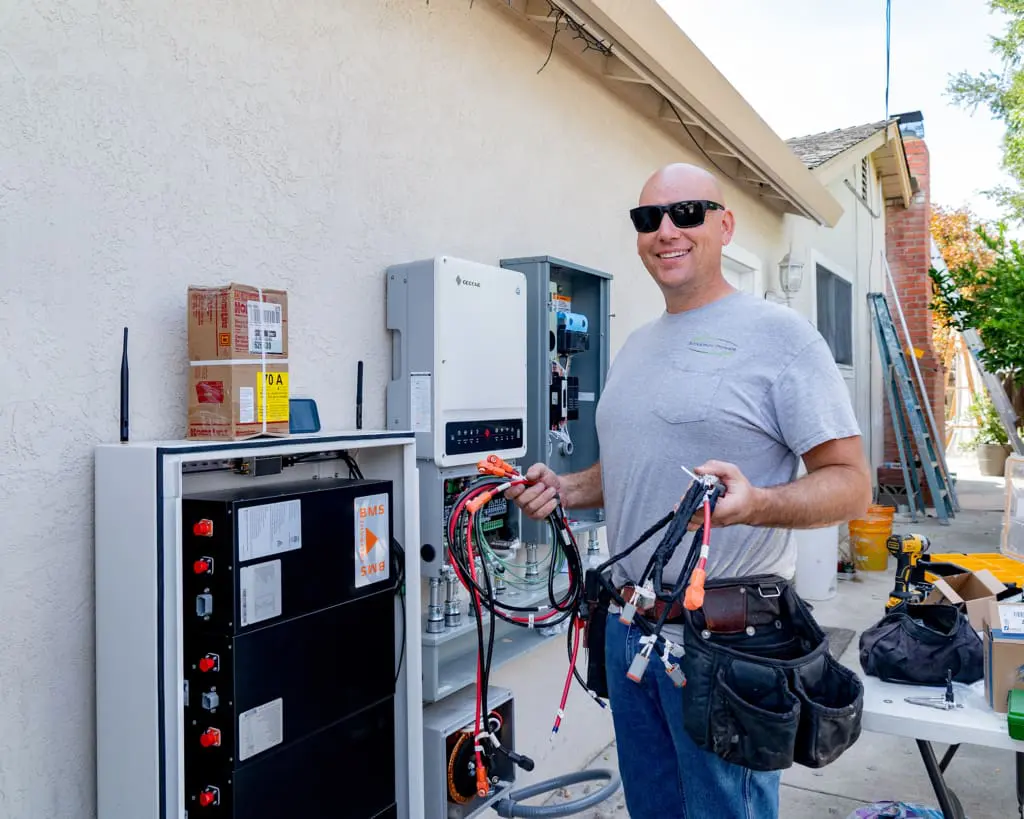
During the site visit, the installer should check more than roof space. For example, the team may inspect structural conditions, electrical service, equipment access, trench routes, and possible shade.
After that, the system should be designed around your actual building and energy use. This helps improve production and reduce costly changes during construction.
Project Management and Communication
Good project management limits disruption to your business. Therefore, ask who will serve as your main contact.
You should also receive:
- A written project schedule
- Updates at key milestones
- Notice of permit or utility delays
- A plan for roof access and work areas
- Clear steps for change orders
- Final system documents and warranty records
Warranties, Maintenance, and Support
Solar panels are only one part of the system. Inverters, wiring, roof attachments, monitoring tools, and workmanship also affect long-term performance. Therefore, review every warranty before signing.
What Should a Commercial Solar Warranty Cover?
Ask the installer to explain the following items:
- Solar panel product warranty
- Solar panel performance warranty
- Inverter and equipment warranties
- Installer workmanship warranty
- Roof penetration or leak coverage
- Monitoring equipment and software support
- Labor, shipping, and replacement costs
- The process for filing a service claim
Also, confirm who is responsible for each warranty. Some claims go through the installer, while others go through the equipment maker.
Why Post-Installation Support Matters
After activation, production monitoring can help spot problems early. For example, a sudden drop in output may point to an inverter issue, a communication error, or new shade.
Therefore, ask who watches the system, how alerts are handled, and how quickly service requests are reviewed. Clear support terms are often as important as the original installation.
Commercial Solar Projects in the Bay Area
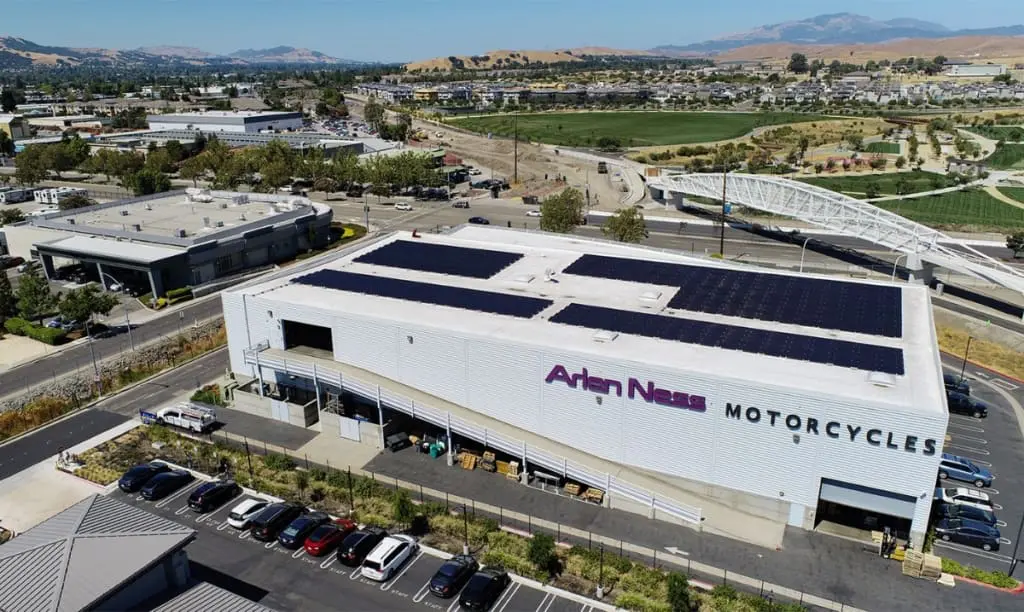
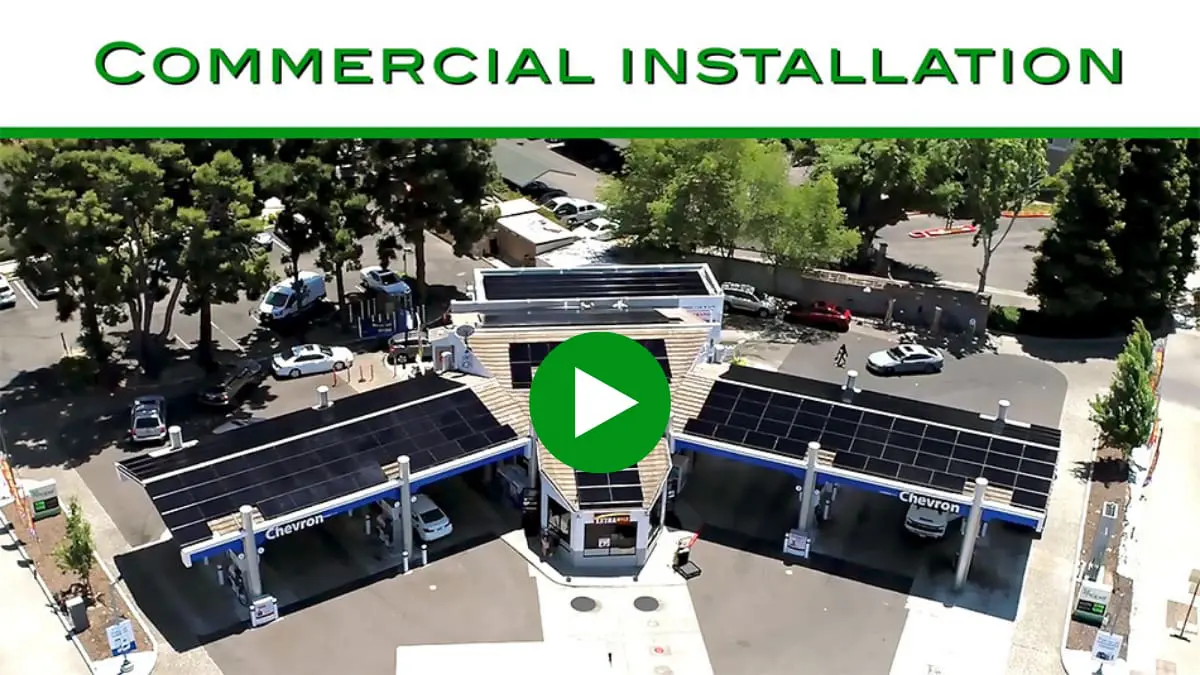
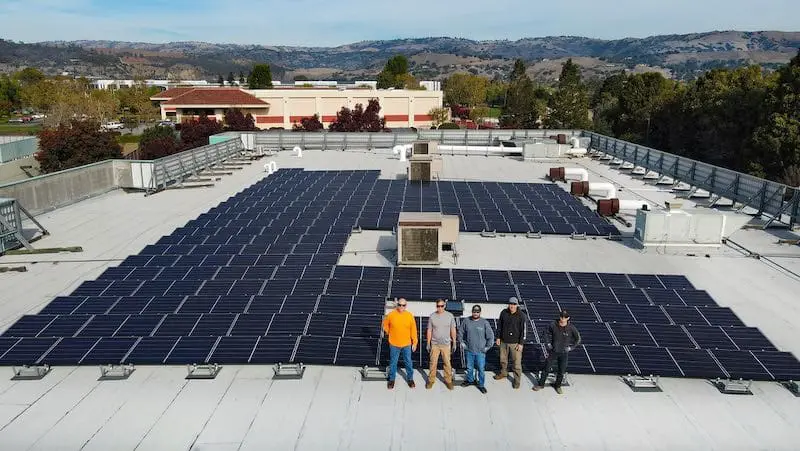
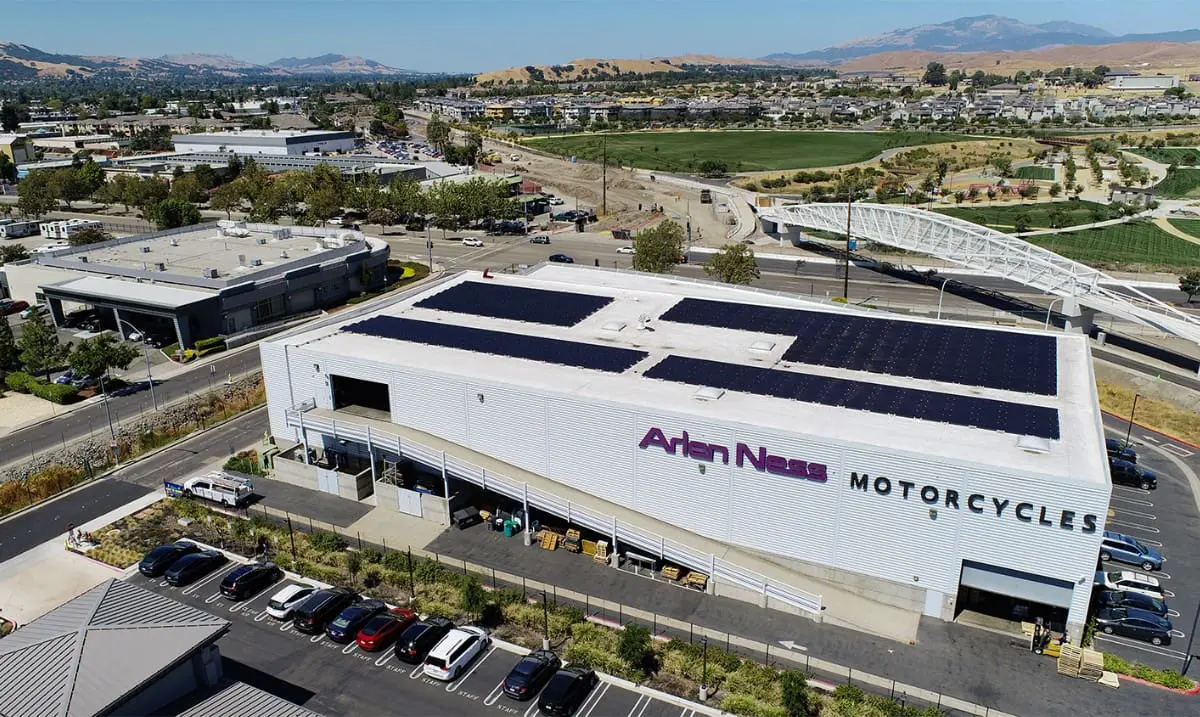
Synergy Power has helped a range of Bay Area organizations move to solar. Examples include:
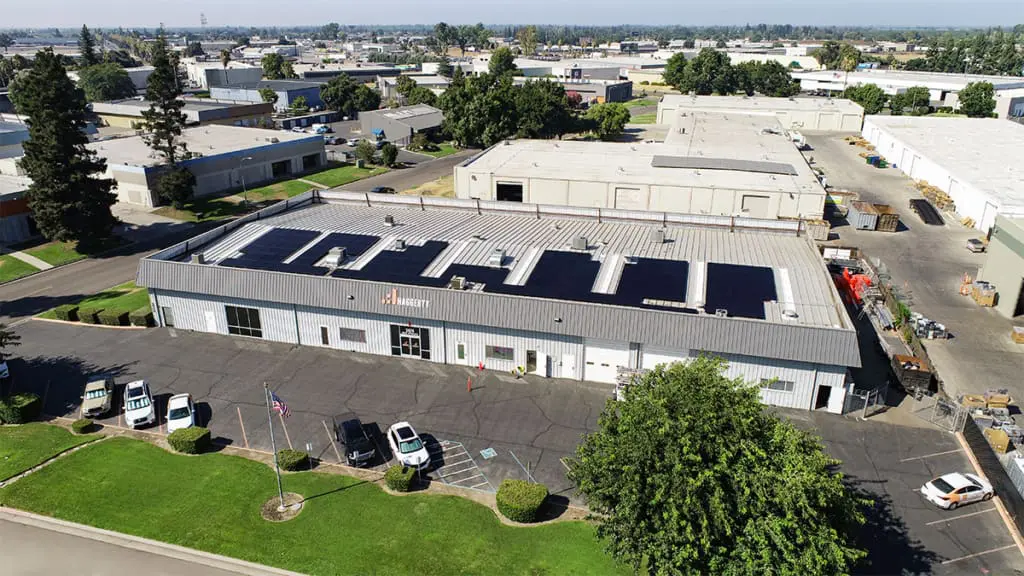
- Arlen Ness Motorcycles in Dublin, California
- Haggerty Construction
- Bankston Immigration Law in El Cerrito
- Orchard Nursery in Lafayette
- Tri-Valley Medical Professional Center in Pleasanton
- O & Y Precision
These projects show why commercial solar design must fit the property, energy load, and business plan. In other words, there is no single system that works for every company.
Commercial Solar Installation FAQs
How do I choose a commercial solar installation company?
Compare commercial experience, licenses, insurance, system design, pricing, warranties, reviews, and post-installation service. Also, ask for case studies from projects similar to your building.
What should be included in a commercial solar proposal?
The proposal should list the equipment, system size, expected production, estimated savings, project scope, total cost, payment terms, schedule, exclusions, and warranties. It should also explain the assumptions used in the financial estimate.
Should I choose the lowest commercial solar bid?
Not always. A lower price may leave out electrical work, roof repairs, permits, monitoring, or service. Therefore, compare the full scope and long-term value, not just the starting price.
How long does a commercial solar installation take?
The timeline depends on system size, site conditions, engineering, permits, utility review, equipment supply, and inspections. Ask each installer for a written schedule that separates approval time from on-site construction time.
Does commercial solar require maintenance?
Commercial solar systems usually need monitoring, periodic inspections, and service when equipment fails or production drops. Cleaning needs depend on the site, weather, dust, and panel angle.
Can commercial solar include battery storage?
Yes. Battery storage may help with backup power, demand management, or time-of-use rates. However, the right battery size depends on your loads, goals, utility plan, and budget.
Choose a Solar Partner That Fits Your Business
A commercial solar installation company should do more than install panels. It should help you understand the design, costs, risks, timeline, and expected results.
First, review your energy use. Next, compare complete proposals. Then, verify the installer’s experience and credentials. Finally, choose the company that offers the clearest plan and strongest long-term support.
Planning a commercial solar project in the Bay Area? Contact Synergy Power to discuss your property, energy use, and project goals.
Schedule A Consultation
Recent Posts
Recent Projects