

Top Solar Incentives for Bay Area Homeowners
Solar Incentives for Bay Area Homeowners in 2026
Solar can still reduce the amount of electricity you buy from the grid.
But the incentives available to California homeowners have changed.
Some programs that were widely promoted a few years ago have ended. Others now focus on battery storage, lower-income households, or broader home electrification projects.
Before estimating the cost of solar, it helps to understand what is actually available in 2026.
This guide covers:
- The federal residential solar tax credit
- California battery incentives
- PG&E’s Solar Billing Plan
- California’s solar property tax treatment
- Home electrification rebates
- Local and utility programs
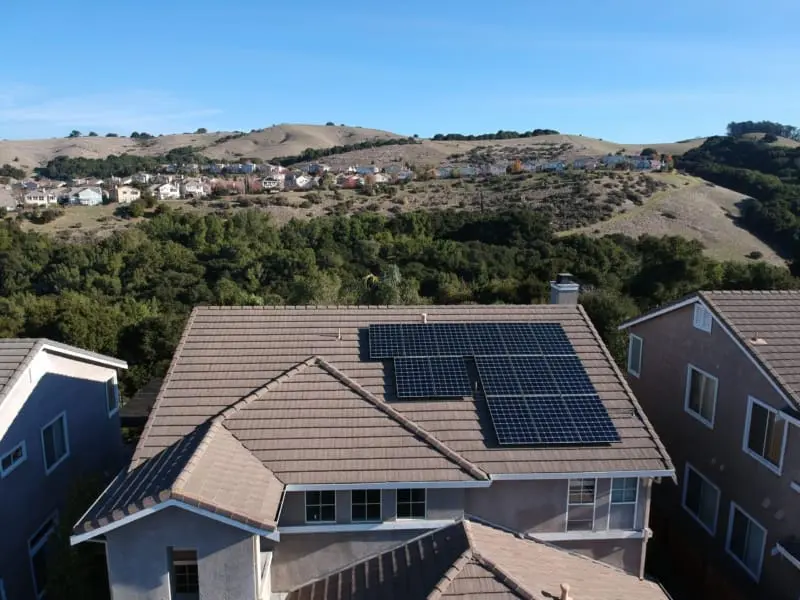
Why Solar Incentives Matter
Solar incentives can reduce the cost of solar, battery storage, or related home-energy improvements.
But not every program applies to every homeowner.
Eligibility may depend on:
- Household income
- Utility provider
- Location
- Equipment being installed
- When the project is completed
- Available program funding
That makes it important to verify each incentive before including it in your solar budget.
What Changed With the Federal Solar Tax Credit?
The federal Residential Clean Energy Credit was one of the largest incentives available to homeowners installing solar.
That changed in 2026.
The residential credit is no longer available for expenditures made after December 31, 2025.
This applies to residential clean-energy property such as:
- Solar electric systems
- Qualified battery storage
- Other qualifying residential clean-energy equipment
Homeowners who qualified for the credit in an earlier year may have different tax circumstances, including unused credits carried forward from an eligible year.
Always confirm your individual tax situation with a qualified tax professional.
California SGIP Battery Incentives
California’s Self-Generation Incentive Program, or SGIP, supports qualifying distributed energy systems.
Battery storage remains an important part of the program.
Current residential programs are more targeted than the broad battery incentives many homeowners saw advertised in previous years.
Eligibility may depend on factors such as:
- Household income
- Utility service territory
- Program category
- Battery size
- Whether solar and storage are installed together
- Available funding
Some SGIP funding categories may be fully reserved or operating with a waitlist.
Do not assume a rebate is available until your eligibility and current program funding have been confirmed.
Why Battery Storage Can Still Matter Without a Rebate
A battery can do more than qualify for an incentive.
Depending on the system design, battery storage may help you:
- Store extra daytime solar production
- Use solar electricity later in the evening
- Reduce electricity purchased from the grid during certain periods
- Provide backup power during an outage
Battery storage should be evaluated based on your electricity use and backup goals, not only on whether a rebate is available.
PG&E Solar Billing Plan
Newer PG&E solar customers generally use the Solar Billing Plan, also called the Net Billing Tariff.
This is different from the older Net Energy Metering programs.
Using Solar at Your Home
When your solar panels produce electricity, your home can use that power directly.
That reduces the amount of electricity you need to buy from the grid at that time.
Sending Extra Solar to the Grid
When your system produces more electricity than you are using, the extra power can be exported to the grid.
Those exports receive Energy Export Credits.
The value of those credits can change depending on when the electricity is exported.
That means solar system design should consider:
- How much electricity you use
- When you use it
- When your solar panels produce electricity
- How battery storage may change that pattern
This is one reason battery storage has become a larger part of residential solar design in California.
What About Older NEM Customers?
Some existing solar customers remain on older Net Energy Metering programs.
The rules for those customers may be different from the Solar Billing Plan.
Your billing structure can depend on:
- When your original solar system was interconnected
- Which NEM program applies
- Whether the system has been modified
- Your utility rate plan
If you already have solar, confirm your current billing status before expanding the system or adding equipment.
California Solar Property Tax Treatment
California currently provides a property tax benefit for qualifying active solar energy systems.
Installing a qualifying solar system generally does not cause the value of that system to be added to your property’s assessed value as new construction.
In other words, adding solar may increase the usefulness or market appeal of the property without automatically increasing the assessed value by the full cost of the solar equipment.
The current exclusion is scheduled to sunset on January 1, 2027.
Because timing and property circumstances can matter, confirm the treatment with your county assessor when necessary.
Home Electrification Rebates in California
You may also hear about California’s HEEHRA program.
HEEHRA stands for Home Electrification and Appliance Rebates.
It is important to understand that this is not a general solar-panel rebate.
Current single-family rebates focus on qualifying home electrification improvements for income-eligible households.
Programs may support equipment such as:
- Heat pump heating and cooling systems
- Other qualifying electrification equipment
- Electrical upgrades associated with eligible projects
Income limits and available funding apply.
If you are installing solar while also electrifying your home, these programs may still be relevant to the overall project.
Planning Solar Around Future Electrification
Even when an electrification rebate does not directly pay for solar panels, it can affect solar system design.
Tell your solar installer if you plan to add:
- An electric vehicle
- EV charging
- A heat pump
- A heat pump water heater
- Induction cooking
- A swimming pool or spa
- An ADU
- Other large electrical loads
These changes can increase household electricity use.
A solar system sized only from your old electric bills may be too small for your future needs.
Local Bay Area Solar and Energy Programs
Bay Area homeowners are served by several utilities and community choice energy providers.
Programs can vary by location.
Your property may receive electricity through organizations such as:
- PG&E
- San Jose Clean Energy
- Silicon Valley Clean Energy
- MCE
- Ava Community Energy
- A municipal electric utility
Local programs may include:
- Battery incentives
- Electrification rebates
- EV charging programs
- Heat pump rebates
- Financing programs
- Income-qualified energy programs
Program funding and eligibility can change.
Check the current program requirements before assuming an incentive will reduce your project cost.
Financing Is Not the Same as an Incentive
Solar financing can make a system easier to purchase, but a loan is not a rebate or tax credit.
Financing changes how you pay for the system.
It does not necessarily reduce the total cost.
Before choosing financing, compare:
- Interest rate
- Loan term
- Dealer or financing fees
- Monthly payment
- Total amount paid over the life of the loan
- Prepayment terms
A low monthly payment does not always mean the lowest total cost.
How to Evaluate Solar Incentives
Do not design the project around an incentive until you know you qualify.
A better process is:
- Review your electricity use: Start with recent utility bills and future electrical loads.
- Design the system: Determine an appropriate solar and battery configuration.
- Identify available programs: Check federal, state, utility, and local incentives that may apply.
- Confirm eligibility: Review income limits, equipment requirements, deadlines, and funding availability.
- Compare the project with and without incentives: Make sure the system still makes sense if a rebate changes or funding runs out.
This helps prevent an outdated or unavailable incentive from becoming the foundation of your purchase decision.
Questions to Ask Before Counting on a Solar Incentive
Before including an incentive in your financial calculations, ask:
- Is the program still open?
- Is funding still available?
- Do I meet the income requirements?
- Does my utility participate?
- Does my equipment qualify?
- Does the application need approval before installation?
- Is the incentive a rebate, tax credit, or financing program?
- Who receives the incentive?
- When is the incentive actually paid?
Are Solar Panels Still Worth It Without the Federal Tax Credit?
They can be.
The end of the residential federal tax credit changed the economics of solar, but it did not eliminate the value of producing electricity at your home.
Whether solar makes sense now depends on factors such as:
- Your electricity use
- Utility rates
- Solar production
- System cost
- Financing
- Battery storage
- Available incentives
- How much solar electricity you use directly
The answer should come from your actual property and electricity data rather than a statewide average.
Get a Bay Area Solar and Battery Evaluation
Solar incentives have changed, and older websites often contain outdated information.
Synergy Power can help you evaluate:
- Your electricity use
- Solar system size
- Battery storage
- Backup power
- Future electrical loads
- Current programs that may apply to your project
The goal is to design a system that makes sense even after the available incentives are separated from the sales pitch.
Request a personalized solar and battery proposal from Synergy Power.
Schedule A Consultation
Recent Posts




Recent Projects