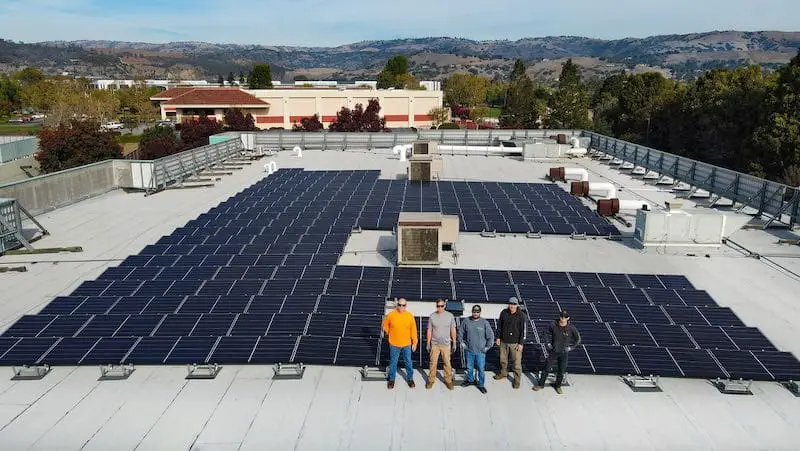

Commercial Solar for Bay Area Businesses
Reduce operating costs. Plan for long-term energy needs. Put your property to work.
Make Energy Part of Your Business Plan
Electricity is an ongoing operating expense. Commercial solar can help reduce the power your business buys from the grid and give you more control over long-term energy costs.
Synergy Power helps Bay Area businesses evaluate solar around the way their facilities operate. Your utility rates, working hours, available space, and future plans all influence the right design.
We start with your bills and property, then build a proposal with clear assumptions. Estimated savings depend on system production, electricity use, utility charges, and project costs.
Choose a System That Fits Your Property
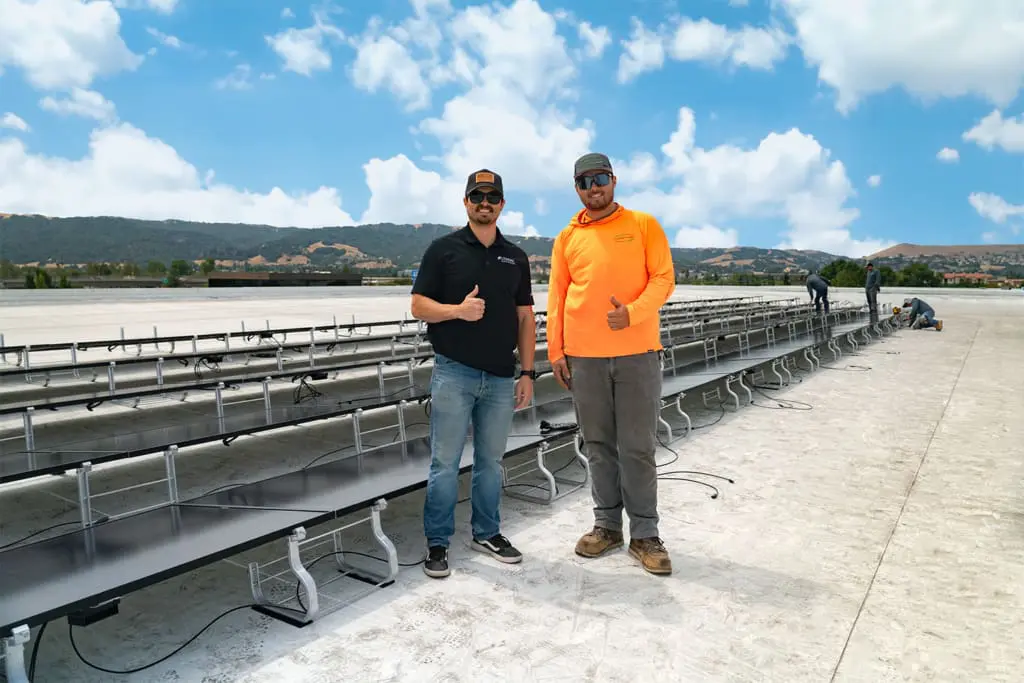
A commercial project can use more than the roof. We can discuss the following options and assess which suit your site.
Rooftop Solar
Use available roof area to generate electricity near the equipment that consumes it. Roof condition, structural capacity, shading, and access guide the layout.
Ground-Mounted Solar
Explore an array on suitable land where roof space is limited. Site access, terrain, available area, and electrical connections shape the design.
Carports and Canopies
Consider solar over parking or other usable outdoor space. A canopy project needs planning for structural work, vehicle clearance, and activity below.
Plan Solar, Storage, and EV Charging Together
Adding equipment later can change your facility’s electricity demand. Bring plans for EV charging, new machinery, or expanded operations into the initial discussion.
Commercial batteries can support energy management and, when specifically designed for it, backup for selected loads. Potential demand-charge savings depend on your tariff and usage pattern; backup capacity depends on the equipment and system design.
Larger projects may require multiple inverters and coordinated electrical infrastructure. We can review those needs alongside the solar array and utility connection.
Learn about battery storage, or ask us about EV charging as part of your commercial project.
Evaluate the Numbers Before You Commit
A useful proposal makes the financial assumptions easy to understand. Compare the expected production with your operating schedule and utility rate structure, then review the project cost and payment terms.
- Expected energy production and on-site electricity use.
- Utility charges that may remain after installation.
- Equipment, installation, and ongoing service costs.
- Available purchase or financing terms and their total cost.
For leased or multi-tenant properties, ownership, metering, and lease arrangements also affect who pays for the system and who receives the benefit.
Current Incentives
Review our Solar Tax Credits & Incentives page for current program information and links to official guidance.
Confirm eligibility and timing with your tax adviser before including a tax benefit in your investment decision. Your project proposal should clearly identify any incentive assumptions.
Commercial Projects Across the Bay Area
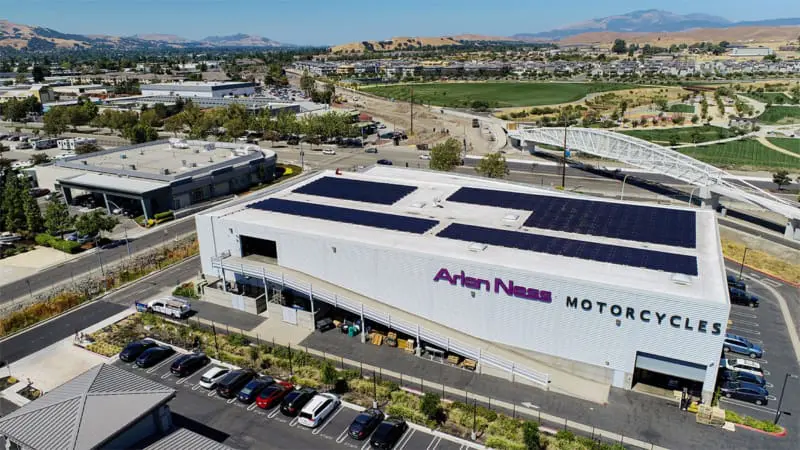
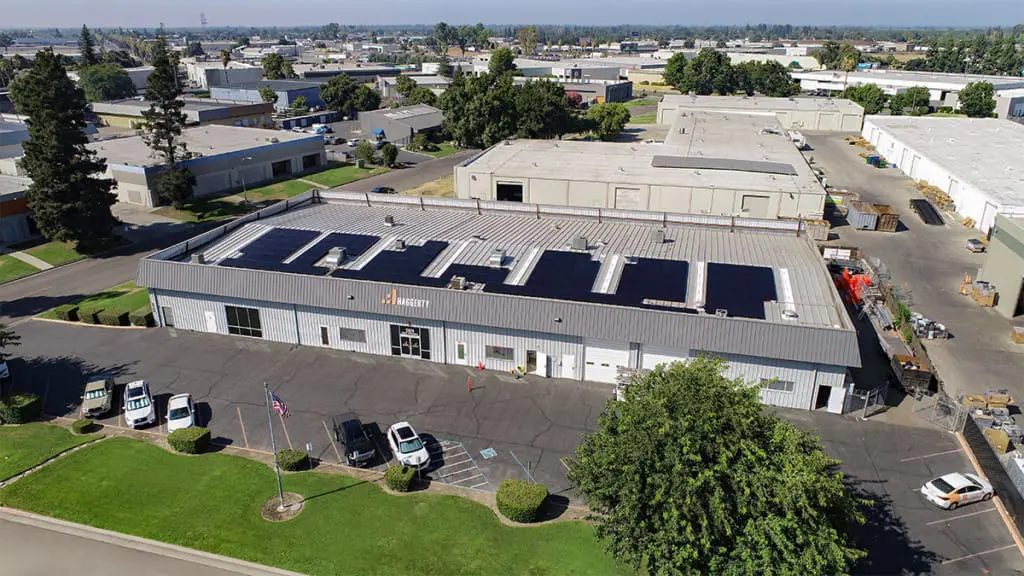
Explore examples from Synergy Power’s commercial portfolio. Each property has different energy needs, space, and equipment requirements.
Pleasanton
Tri-Valley Medical Center
103.0 kW-DC solar system
A Clear Path From Assessment to Operation
Assess the site. Review utility information, operating hours, roof or land conditions, and planned changes to the facility.
Develop the design. Define equipment, layout, electrical requirements, and expected production. Identify permitting and utility interconnection requirements early.
Coordinate installation. Plan access and discuss any required shutdowns so your team can prepare around business operations.
Complete approvals. Installation, inspection, and utility authorization each have their own requirements. The schedule depends on the project and the agencies involved.
Keep Performance Visible After Installation
Monitoring helps your team follow production and notice changes that may need attention. Available data and alerts depend on the equipment installed.
Ask about service responsibilities, warranty coverage, and solar panel maintenance as part of the project plan. Long-term support belongs in the conversation before installation begins.
To get started, use the form below and include your business location, recent electricity use, and the goals you want your system to support.